
Introduction: Why I Started Looking Beyond OEM Parts
I have been riding and working on ATV and UTV vehicles for several years now, mostly for trail riding, light utility work, and occasional heavy off‑road use. Like many owners, I started with everything stock. OEM belts and clutch components work fine in the beginning, but over time I began to notice common issues: rough take‑off, belt slip when climbing steep terrain, excessive heat, and shorter belt life than expected.
After replacing OEM CVT belts more often than I liked, I started researching brands that specialize specifically in CVT performance. That is how I found Hunterworks. What caught my attention was not flashy marketing, but the fact that Hunterworks focuses almost entirely on drivetrain solutions for ATV and UTV platforms. Their catalog is clearly built by people who understand how these machines are actually used in real conditions.
This article is a full user‑experience style review based on my personal installation and usage of Hunterworks products. It is written from a practical point of view, not a sales pitch, and reflects what I noticed before and after the upgrade.
What Is Hunterworks?
Hunterworks is a US‑based brand known for manufacturing and supplying CVT belts, clutch kits, clutch components, and specialized tools for ATV and UTV vehicles. Their products support many popular platforms including Polaris, Can‑Am, Kawasaki, and CF Moto.
Instead of trying to cover every type of accessory on the market, Hunterworks stays focused on one core area: CVT performance and reliability. From my research and hands‑on experience, this focus shows clearly in the design, durability, and compatibility of their products.
The Hunterworks website is structured in a way that makes it easy to find parts based on your vehicle model. This is important because CVT systems are very sensitive to compatibility. Choosing the wrong belt or clutch setup can actually reduce performance or cause damage.
Why I Chose Hunterworks Products
My main goals were simple:
- Improve low‑speed throttle response
- Reduce belt slip under load
- Increase belt lifespan
- Make maintenance easier to handle at home
After reading multiple user reviews and technical explanations, I decided to start with two key items:
- A Hunterworks CVT drive belt designed for my specific UTV model
- Hunterworks clutch tools to safely remove and install the clutch components
I did not change everything at once. I wanted to feel the difference step by step and understand how each component contributed to overall performance.
First Impressions: Build Quality and Packaging
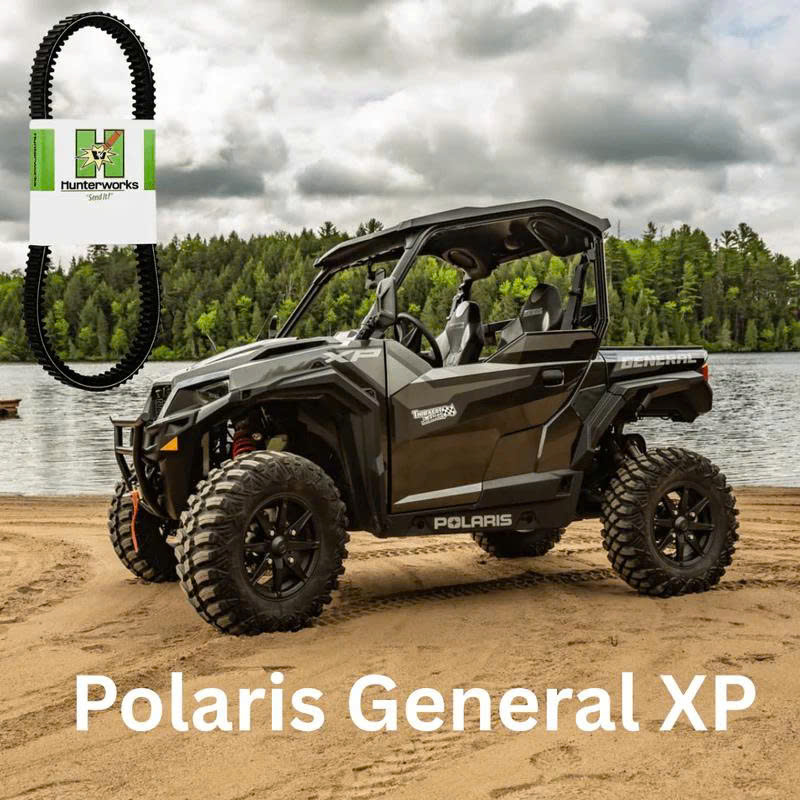
When the products arrived, the first thing I noticed was the overall build quality. The CVT belt felt thicker and more rigid than the OEM belt I removed. The edges were clean, and the material did not feel soft or overly flexible, which is usually a sign of lower heat resistance.
The clutch tools were solid and heavy, made from quality metal with clean machining. These are not tools you use once and throw away. They feel designed for repeated use, which matters if you plan to do your own maintenance long‑term.
Packaging was simple but effective. Everything arrived well protected, with no unnecessary extras. This matched my expectation of a brand that focuses more on function than presentation.
Installation Experience
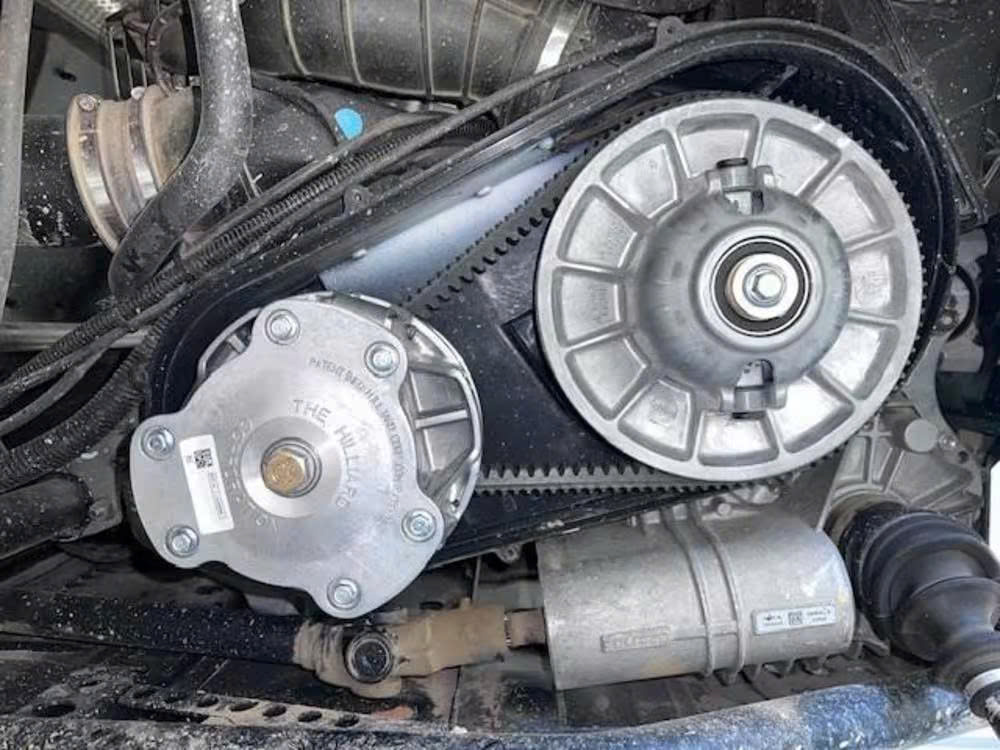
I installed everything myself in my garage using basic mechanical knowledge and the Hunterworks clutch tools. The process took roughly two hours, including removing the old belt, inspecting the clutch faces, and installing the new belt.
One important detail is that using the correct clutch tools made a huge difference. In the past, I had struggled with improvised tools, which made the process frustrating and risky. With the Hunterworks tools, the clutch came apart smoothly and went back together without stress or guesswork.
For anyone who enjoys working on their own machine, this alone is a big advantage. It turns CVT maintenance from a stressful task into a manageable one.

Performance After Installation
Smoother Take‑Off
The first thing I noticed after starting the engine was smoother engagement. From a complete stop, throttle response felt more controlled and predictable. The sudden jerk I used to feel with the OEM belt was gone.
This may sound minor, but smoother engagement improves control, especially in technical terrain or when towing.
Improved Hill Climbing
Hill climbing was where the difference became most obvious. Previously, under heavy load, I could feel the belt slipping slightly before grabbing. With the Hunterworks belt installed, power delivery felt consistent and stable. The vehicle maintained torque without hesitation.
This gave me more confidence when climbing steep or uneven terrain.
Reduced Heat and Noise
After several long rides, I noticed less belt smell and reduced noise from the CVT housing. This suggests better heat management and more efficient power transfer.
While I do not have exact temperature data, the reduction in noise and smell is a clear real‑world indicator of improved performance.
Long‑Term Use and Durability
Over several months of regular use, the Hunterworks belt has shown minimal wear compared to OEM belts I used in the past. I inspected the belt periodically and did not notice glazing or edge fraying.
This is important because CVT belts are consumable items. Even a moderate increase in lifespan can significantly reduce long‑term maintenance costs.
Advantages Based on Real Use
From my experience, the main advantages are:
- Consistent power delivery
- Better throttle control
- Reduced belt slip
- Improved durability
- Easier self‑maintenance with proper tools
These benefits are especially noticeable if you use your ATV or UTV for off‑road riding, hauling, or utility work.
Potential Drawbacks
No product is perfect, and there are a few things to consider:
- Initial cost is higher than basic OEM replacements
- Some mechanical knowledge is helpful for installation
- Instructions are functional but not overly detailed
That said, these drawbacks are relatively small compared to the performance gains.
Comparison With OEM Components
Compared to OEM belts, the Hunterworks belt feels more stable under load and more resistant to heat. OEM belts tend to prioritize comfort and low noise, while Hunterworks focuses on durability and performance.
For casual riding, OEM may be acceptable. For demanding use, Hunterworks clearly performs better in my experience.
Who Should Consider Hunterworks?
Hunterworks products are ideal for:
- ATV and UTV owners who ride frequently
- Riders who face steep terrain or heavy loads
- Users who prefer doing their own maintenance
- Anyone tired of replacing CVT belts too often
If you only use your vehicle occasionally on flat ground, you may not fully benefit from the upgrade. But for active users, the difference is noticeable.
Final Thoughts
Based on my real‑world experience, Hunterworks delivers exactly what it promises: improved CVT performance, better reliability, and tools that make maintenance easier and safer.
This is not an upgrade that changes the character of your vehicle overnight, but it refines and strengthens its weakest points. Over time, those improvements add up.
If you value control, durability, and long‑term reliability, Hunterworks is absolutely worth considering.