If you’ve ever finished a long workday feeling like your feet were on fire, your knees were stiff, and your lower back was begging you to sit down, trust me—you’re not alone. I’ve been there more times than I can count.
I work long hours, mostly on my feet. Some days I stand. Some days I walk nonstop. And most of the time, I’m on hard floors that give absolutely no mercy to my joints. For years, I thought foot pain was just “part of the job.” I tried changing shoes, buying softer sneakers, even rotating footwear every few months. Nothing really solved the problem.
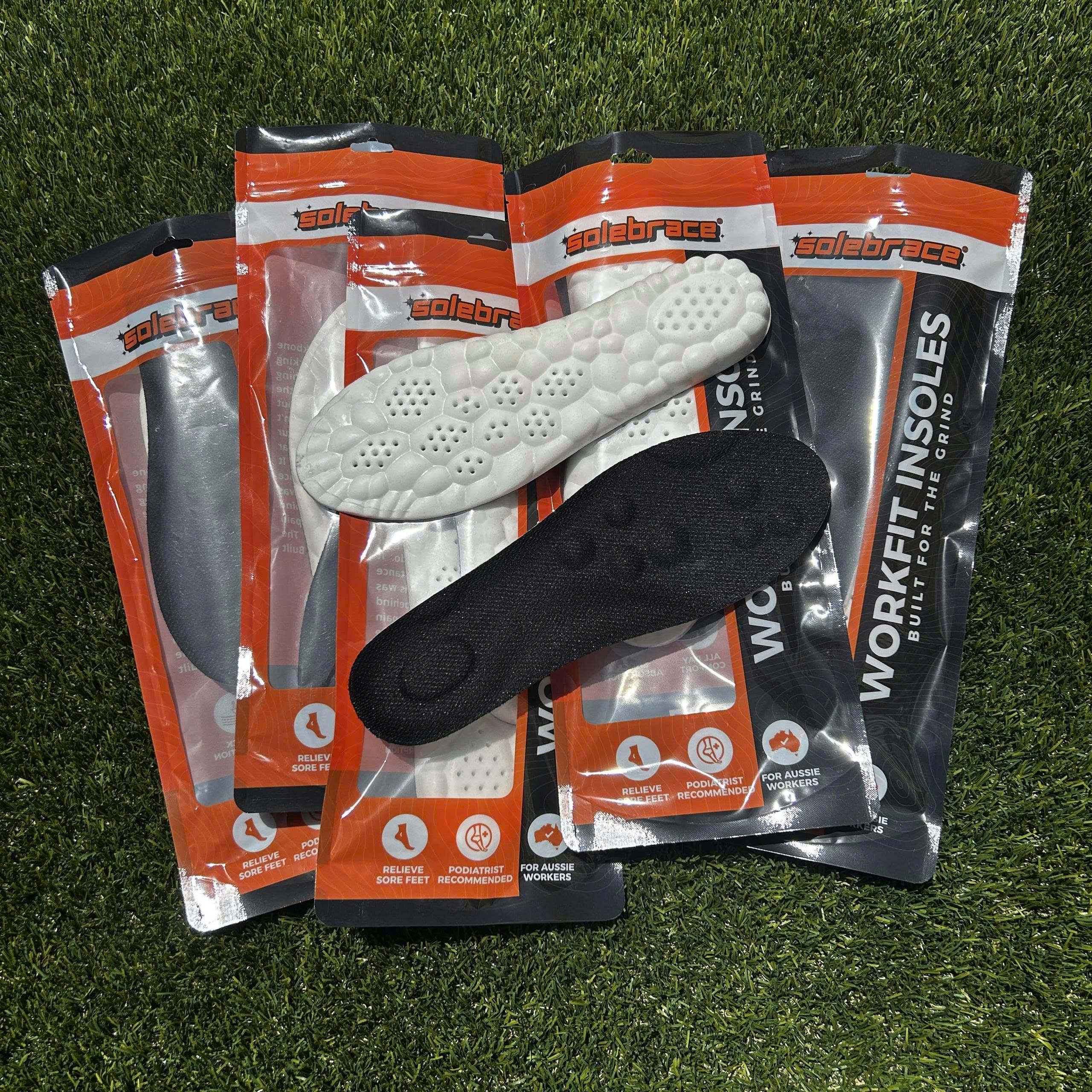
That’s when I came across SoleBrace® WorkFit™ Insoles.
I’ll be honest—I was skeptical at first. Insoles sound like one of those products that promise a lot but don’t really deliver. Still, after reading reviews from people with similar work conditions, I decided to give them a real shot.
This article is my genuine experience using SoleBrace WorkFit Insoles, what I noticed after weeks of use, who they’re actually good for, and whether I think they’re worth the money.
Why Foot Pain Becomes a Daily Problem for Workers
Before getting into the product itself, I think it’s important to talk about why foot pain is so common, especially for people who work long shifts.
Most work shoes—even expensive ones—focus more on protection and durability than comfort. Steel toes, thick rubber soles, and stiff materials are great for safety, but terrible for shock absorption. When you walk or stand on concrete for 8 to 12 hours a day, that impact doesn’t just disappear.
It travels:
Feet → ankles → knees → hips → lower back
Over time, that constant stress builds up. That’s why many people experience heel pain, arch pain, knee discomfort, and even back issues—all starting from poor foot support.
That’s exactly the situation I was in before trying SoleBrace WorkFit Insoles.
What Are SoleBrace® WorkFit™ Insoles?
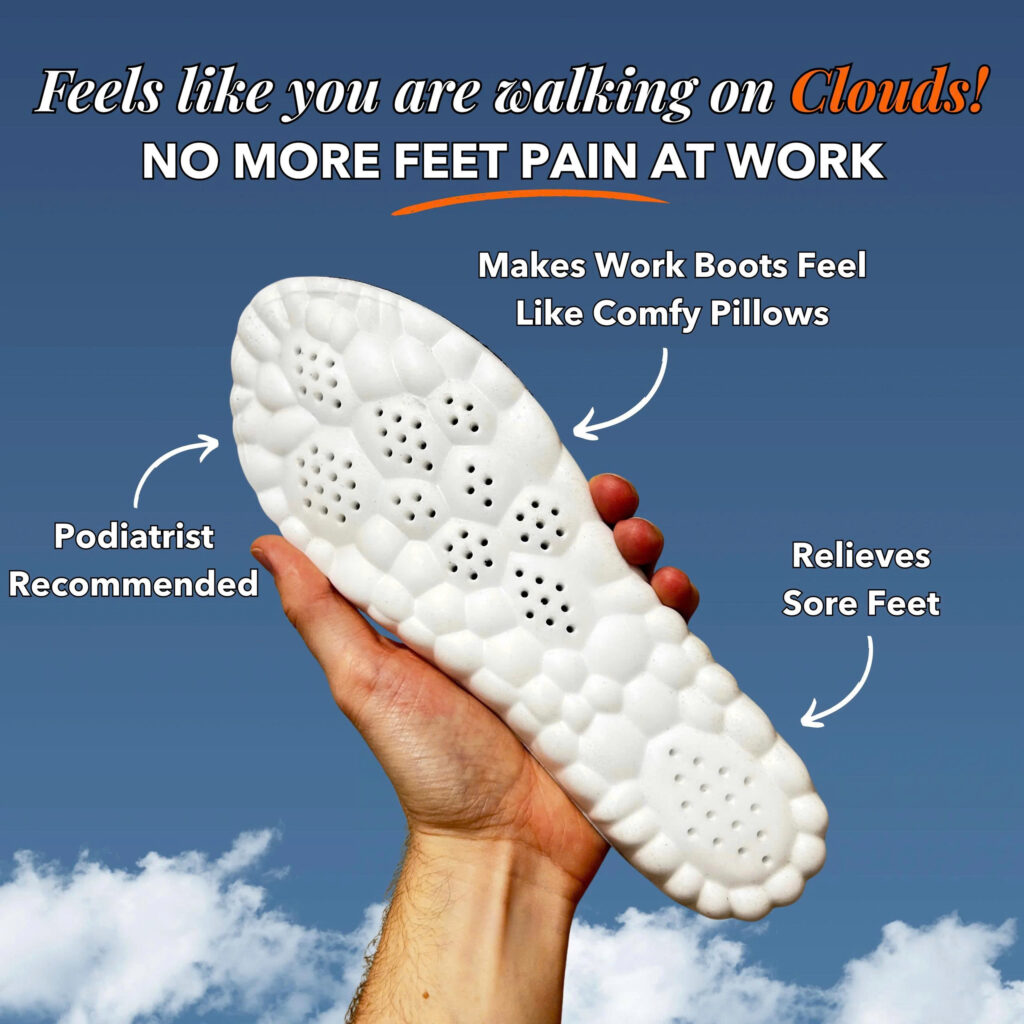
SoleBrace® WorkFit™ Insoles are designed specifically for people who work on their feet all day. These are not basic foam inserts you find at a supermarket. They’re built with a structured cushioning system that focuses on impact absorption and arch support.
From what I noticed right away, these insoles are made to:
- Reduce pressure on the heels
- Support the arch properly
- Absorb shock from hard surfaces
- Stay firm without flattening quickly
They’re meant for work boots, safety shoes, and everyday footwear, which is exactly what caught my attention.
First Impressions When I Opened the Box
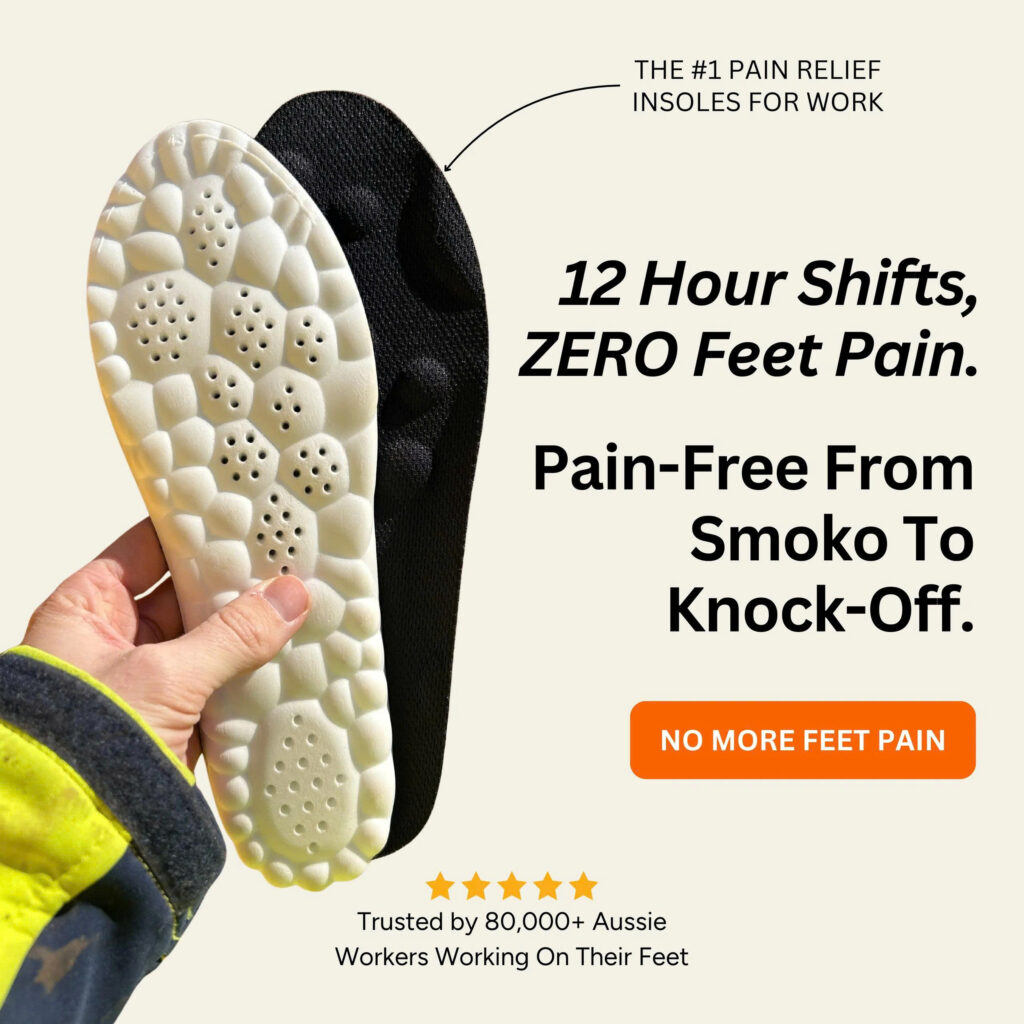
When I first took them out of the packaging, a few things stood out immediately.
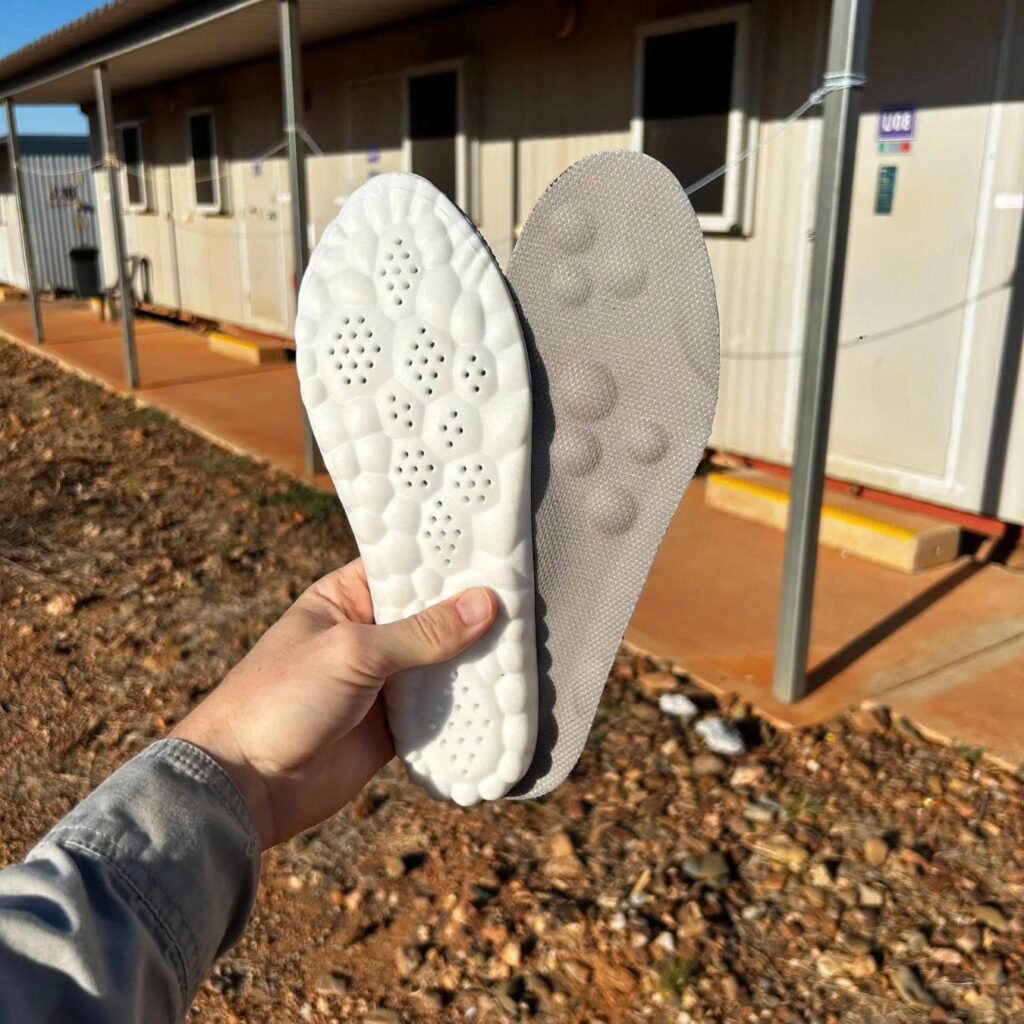
First, they felt solid, not flimsy. A lot of cheap insoles feel soft at first but collapse after a few days. These felt structured, especially in the arch area.
Second, the cushioning felt balanced. Not too soft, not too hard. Just enough resistance to feel supportive without being uncomfortable.
Third, they were easy to fit. I simply removed the original insoles from my work boots, placed the SoleBrace WorkFit Insoles inside, and they fit perfectly without cutting.
So far, so good.
How They Felt During the First Few Days
I always think the first few days are the most important part of testing any foot-support product.
On day one, the difference was noticeable but subtle. My feet felt more supported, especially in the arch area. There was a slight adjustment period, which I expected. It didn’t hurt, but I could tell my feet were aligning differently than before.
By day three, something interesting happened.
I realized I wasn’t constantly shifting my weight anymore. Normally, by mid-shift, I’d be switching between feet, leaning on counters, or looking for excuses to sit down. With these insoles, I felt more stable.
By the end of the first week, my heel pain—which usually kicked in after work—was significantly reduced.
Real Changes After a Few Weeks of Use
After using SoleBrace WorkFit Insoles consistently for a few weeks, the improvements became very clear.
Less Foot Fatigue
This was the biggest change. My feet didn’t feel “dead” at the end of the day anymore. Tired, yes—but not painful.
Reduced Heel Pain
I used to feel sharp heel discomfort when stepping out of bed in the morning. That pain gradually faded after regular use of these insoles.
Better Posture and Less Back Strain
This surprised me the most. I didn’t expect insoles to affect my back, but they did. With better foot alignment, my posture improved naturally, and my lower back felt less strained after long shifts.
More Energy After Work
Instead of going home and collapsing, I actually had energy left to walk, cook, or even exercise lightly. That alone made these insoles worth it for me.
Who These Insoles Are Perfect For
Based on my experience, SoleBrace WorkFit Insoles are especially good for:
- Warehouse workers
- Construction workers
- Factory workers
- Nurses and healthcare staff
- Retail workers
- Delivery drivers
- Anyone standing or walking for long hours on hard floors
If your job destroys your feet by the end of the day, these are made for you.
How They Compare to Regular Insoles
I’ve tried standard gel insoles and foam inserts before. The problem with those is they feel comfortable for a short time, then flatten out.
SoleBrace WorkFit Insoles are different because they focus on support, not just softness.
Regular insoles:
- Feel soft but lose shape quickly
- Don’t support the arch properly
- Don’t reduce long-term pain
SoleBrace WorkFit Insoles:
- Maintain structure
- Distribute pressure evenly
- Reduce pain over time, not just temporarily
That’s a big difference.
Durability and Long-Term Use
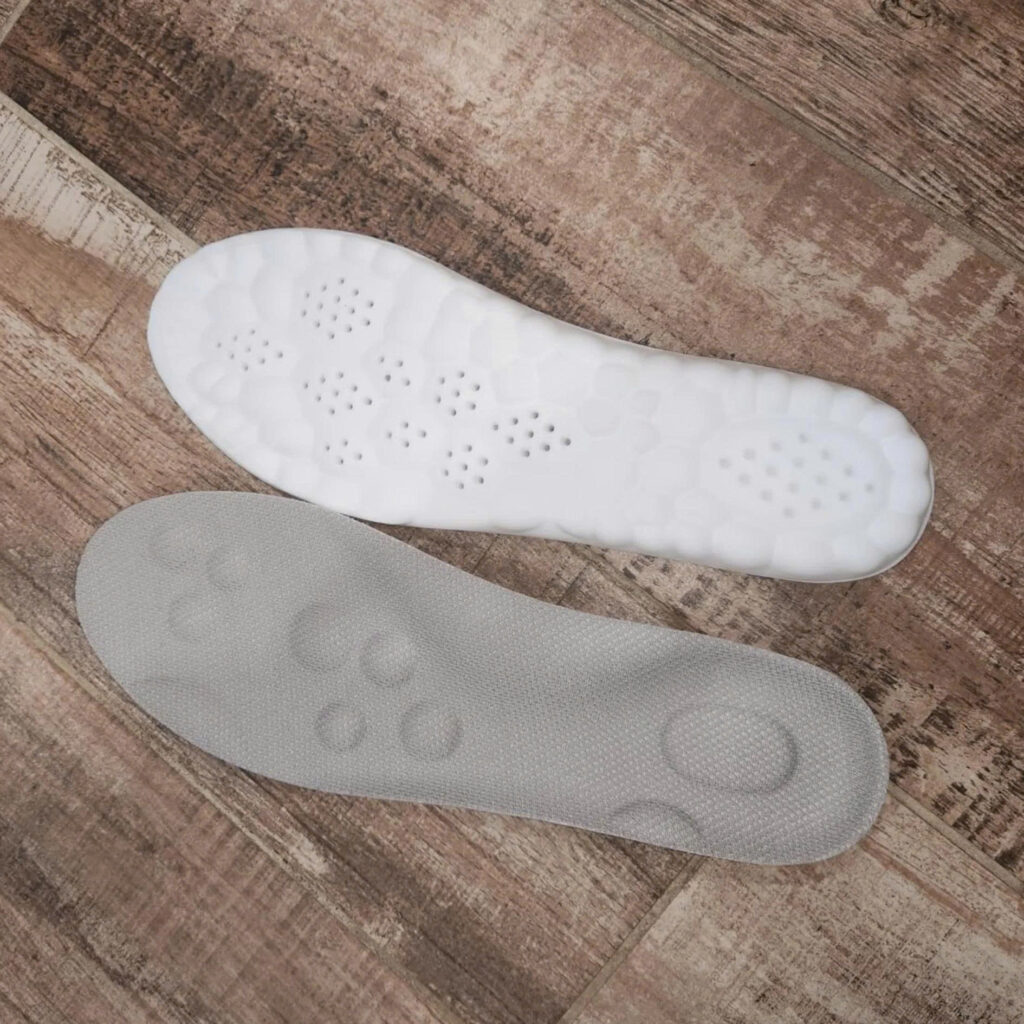
Another thing I appreciate is durability. After weeks of daily use, they still feel firm and supportive. No noticeable flattening, no weird bends, no loss of cushioning.
For something used every single day, that matters a lot.
Are They Comfortable All Day?
Yes—and that’s the key point.
Comfort isn’t just about softness. It’s about supporting your feet in a way that reduces strain, and that’s exactly what these insoles do. Once your feet adapt, you barely notice them—except for the fact that you’re not in pain anymore.
Any Downsides?
To be fair, no product is perfect.
- There may be a short adjustment period during the first few days.
- They’re firmer than cheap foam insoles, which might surprise some people at first.
But personally, those weren’t deal-breakers for me.
Final Verdict: Are SoleBrace® WorkFit™ Insoles Worth It?
After using SoleBrace WorkFit Insoles consistently, I can confidently say this:
If your feet hurt because of work, these insoles are not a luxury—they’re a necessity.
They helped reduce my foot pain, improved my posture, and made long workdays much more manageable. Instead of just surviving my shifts, I actually feel comfortable getting through them now.
For anyone serious about protecting their feet, joints, and overall comfort at work, SoleBrace® WorkFit™ Insoles are absolutely worth considering.